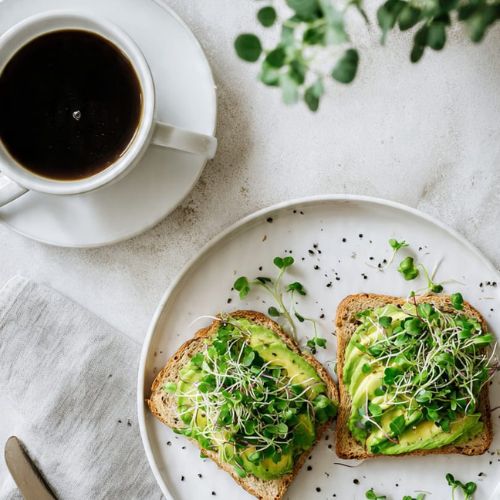
In a world increasingly defined by processed foods and sedentary lifestyles, the search for natural, nutrient-dense solutions has never been more urgent. Among the simplest yet most powerful answers lies in a tiny, vibrant form—microgreens. Often described as “living foods,” microgreens are young vegetable greens harvested just after germination, typically within 7–21 days. Despite their small size, they carry a remarkable concentration of nutrients, offering what can truly be called a live energy boon for mankind.
Microgreens are harvested at a stage when the plazymes, and antioxidants. Studies have shown that microgreens can contain up to 4–40 times more nutrients than their mature counterparts. For example, red cabbage microgreens are rich in vitamin C, vitamin E, and beta-carotene, while sunflower microgreens provide protein, healthy fats, and essential amino acids. This extraordinary nutritional density translates into higher vitality and improved overall health for those who consume them regularly.
What makes microgreens particularly unique is their “live” nature. Unlike processed or stored foods, microgreens are consumed fresh, often immediately after harvest. This ensures that enzymes—crucial for digestion and metabolic processes—remain intact. These enzymes help the body absorb nutrients more efficiently, boosting energy levels naturally without the need for stimulants like caffeine or sugar. In this sense, microgreens act as a direct source of life force, fueling the body at a cellular level.
Another important aspect of microgreens is their role in disease prevention. Rich in antioxidants, they help combat oxidative stress, which is linked to chronic conditions such as heart disease, diabetes, and cancer. Their anti-inflammatory properties further support immune health, making them an excellent addition to modern diets that often lack fresh, wholesome foods. Incorporating microgreens into daily meals—whether in salads, smoothies, or garnishes—can significantly enhance nutritional intake without requiring drastic dietary changes.
Beyond personal health, microgreens also offer a sustainable solution for global food challenges. They require minimal space, water, and time to grow, making them ideal for urban farming and home cultivation. In densely populated areas or regions with limited agricultural resources, microgreens can serve as a reliable source of fresh nutrition. Their quick growth cycle ensures continuous production, reducing dependence on long supply chains and lowering environmental impact.
Furthermore, growing microgreens can have psychological benefits. The act of nurturing plants, even on a small windowsill, fosters a sense of connection with nature and promotes mindfulness. In an age of digital overload, this simple practice can provide mental clarity and emotional balance, further contributing to overall well-being.
In conclusion, microgreens are far more than a culinary trend; they represent a powerful intersection of nutrition, sustainability, and vitality. As living foods packed with concentrated nutrients and energy, they offer a practical and accessible way to improve human health. Embracing microgreens is not just about adding greens to a plate—it is about reconnecting with the essence of life itself, one tiny leaf at a time.